Before & After: Converting a Traditional Home to Modern Design
From Traditional to Modern, by RT Studio
Discover how we transformed a 1930s colonial into a stunning modern family home while preserving its best features
The Challenge: A Mismatched 1930s Home Needing Cohesion
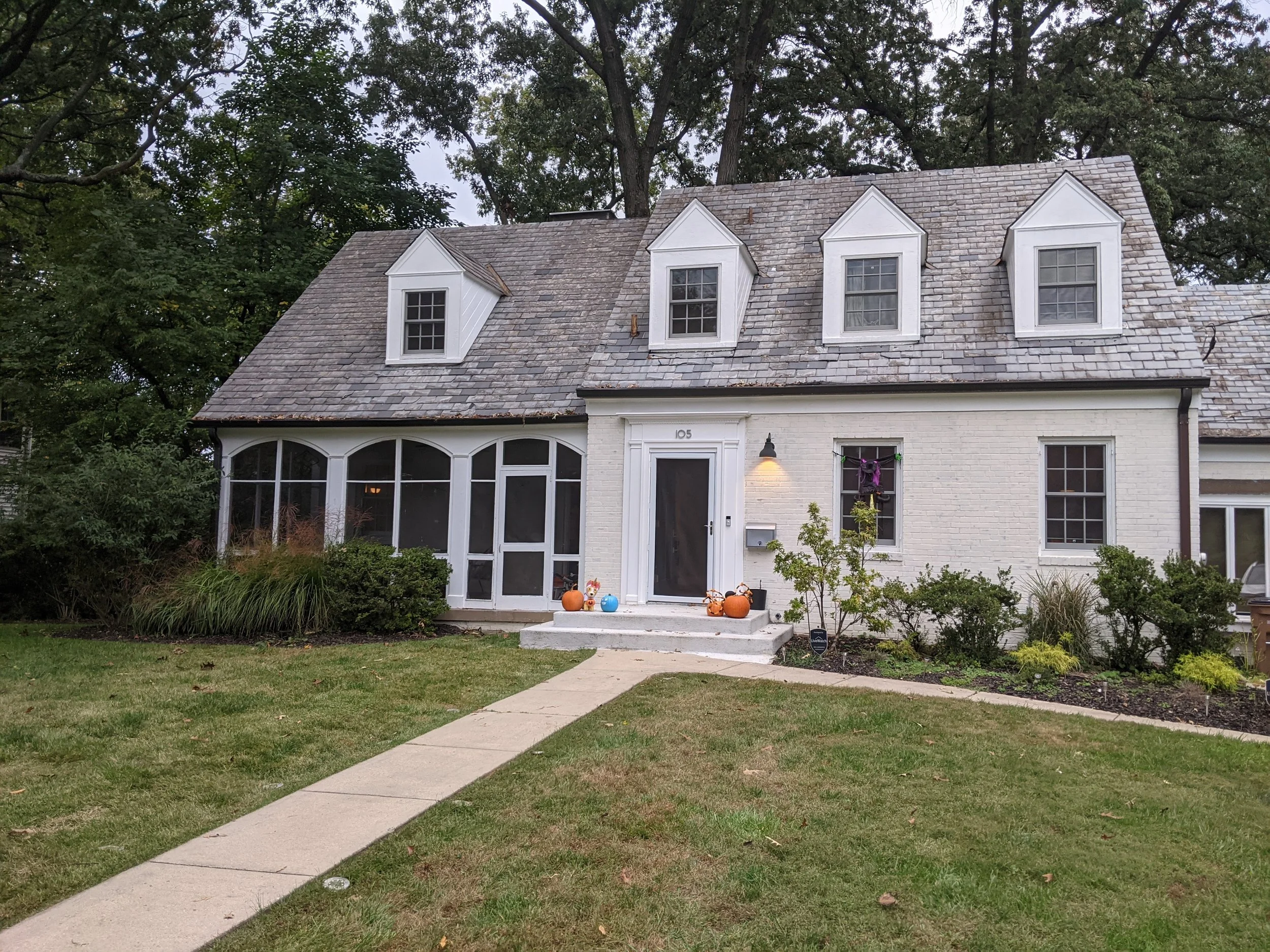
When the Morrison family contacted us, they were living in a 1930s home that had been modified haphazardly over the decades. Multiple additions, varying roof lines, and different ceiling heights created a disjointed, maze-like interior. The dark, choppy spaces felt cramped despite the generous square footage, and the exterior lacked any architectural cohesion.
Like many homeowners with vintage properties, they faced a difficult decision: demolish and rebuild, or find a way to unify what they already had?
What They Wanted:
Open, light-filled spaces perfect for entertaining
A seamless indoor-outdoor connection
Clean, contemporary lines with warmth
Energy-efficient systems and materials
A home that reflected their modern lifestyle
The verdict? A comprehensive renovation that would reimagine their home from the inside out.
Before: Understanding What We Had to Work With
The Original Home's Challenges
The existing home was a patchwork of additions spanning nearly 90 years:
Mismatched roof lines - Three different roof heights from various additions
Inconsistent ceiling heights - Ranging from 7'6" to 9 feet across different rooms
Closed-off floor plan - Original 1930s compartmentalized layout
Multiple floor levels - Awkward steps between additions
Confused exterior - No unified architectural language
Small windows - Original 1930s openings with replacement windows of varying styles
Outdated systems - Pieced together over decades, extremely inefficient
But it also had significant potential:
Solid perimeter foundation and walls
Substantial square footage already in place
Established mature landscaping
Desirable neighborhood location
Original structural walls in good condition
The key insight: we could keep the existing perimeter walls (saving considerable cost and waste) while completely reimagining everything above and within.
The Design Strategy: The Bold Solution
Our approach was both radical and resourceful: remove the entire roof structure and rebuild from the walls up.
This strategy allowed us to:
1. Create Unified Ceiling Heights Throughout
By removing all existing roofs and framing, we could establish consistent 10-foot ceiling heights across the entire home, eliminating the awkward steps and cramped spaces that had accumulated over decades.
2. Establish a Cohesive Architectural Language
A completely new roof structure meant we could design one unified modern form that tied the entire home together visually. No more mismatched additions—just one coherent architectural statement.
3. Maximize Spatial Volume While Keeping Costs Down
Keeping the existing perimeter walls saved us approximately 30-40% compared to full demolition and rebuild. We reused the solid foundation and structural walls while gaining the freedom to completely reimagine the interior volume.
4. Allow for Dramatic Natural Light
The new roof design incorporated strategic skylights, clerestory windows, and vaulted spaces that would have been impossible with the old, fragmented roof structure.
5. Future-Proof the Systems
With everything exposed during the roof rebuild, we installed state-of-the-art insulation, HVAC, electrical, and plumbing systems properly integrated into the new structure.
The Transformation: Key Changes Room by Room
The Roof Removal Process: The Game-Changer
The Challenge: How do you live in a house while removing its entire roof?
The Solution: Strategic phasing and temporary weather protection.
We worked in sections, protecting living areas with temporary roofing while framing new sections. The entire roof removal and replacement took 6 weeks, with the family temporarily relocating for 3 of those weeks during the most intensive phase.
What We Gained:
Eliminated all mismatched rooflines and ceiling heights
Created a clean, modern flat roof with concealed drainage
Added 18 inches of ceiling height throughout
Installed continuous rigid insulation (R-40) impossible with the old structure
Incorporated multiple skylights and clerestory windows
Unified the entire home under one architectural gesture
Structural Innovations:
Retained existing perimeter walls but reinforced where needed
New engineered lumber roof system optimized for open spans
Steel beams at key locations to eliminate interior load-bearing walls
All new tie-downs to meet current seismic codes
Kitchen & Living Area
Before: Multiple small rooms with varying ceiling heights (7'6" in kitchen, 8' in dining, 9' in living room) and no connection between spaces.
After: A 900-square-foot open-concept space with uniform 10-foot ceilings featuring:
Minimalist white oak cabinets with integrated appliances
12-foot island with waterfall quartz countertops
Full-height glass walls facing the backyard
Polished concrete floors with radiant heating
Three large skylights bringing southern light deep into the space
Exposed structural beams painted white for visual interest
Design Details:
Eliminated upper cabinets on exterior wall to accommodate new floor-to-ceiling windows
Created hidden pantry and appliance garage for clean lines
Installed commercial-grade ventilation integrated into new roof structure
Consistent ceiling plane unifies formerly disjointed spaces
Primary Suite
Before: Standard bedroom with small windows, separate dated bathroom with tub surround.
After: A spa-like retreat with:
Floor-to-ceiling glass overlooking private garden
Custom millwork creating floating nightstands and storage
Wet room bathroom with walk-in shower and soaking tub
Terrazzo flooring and matte black fixtures
Wood slat accent wall adding warmth
Exterior Transformation
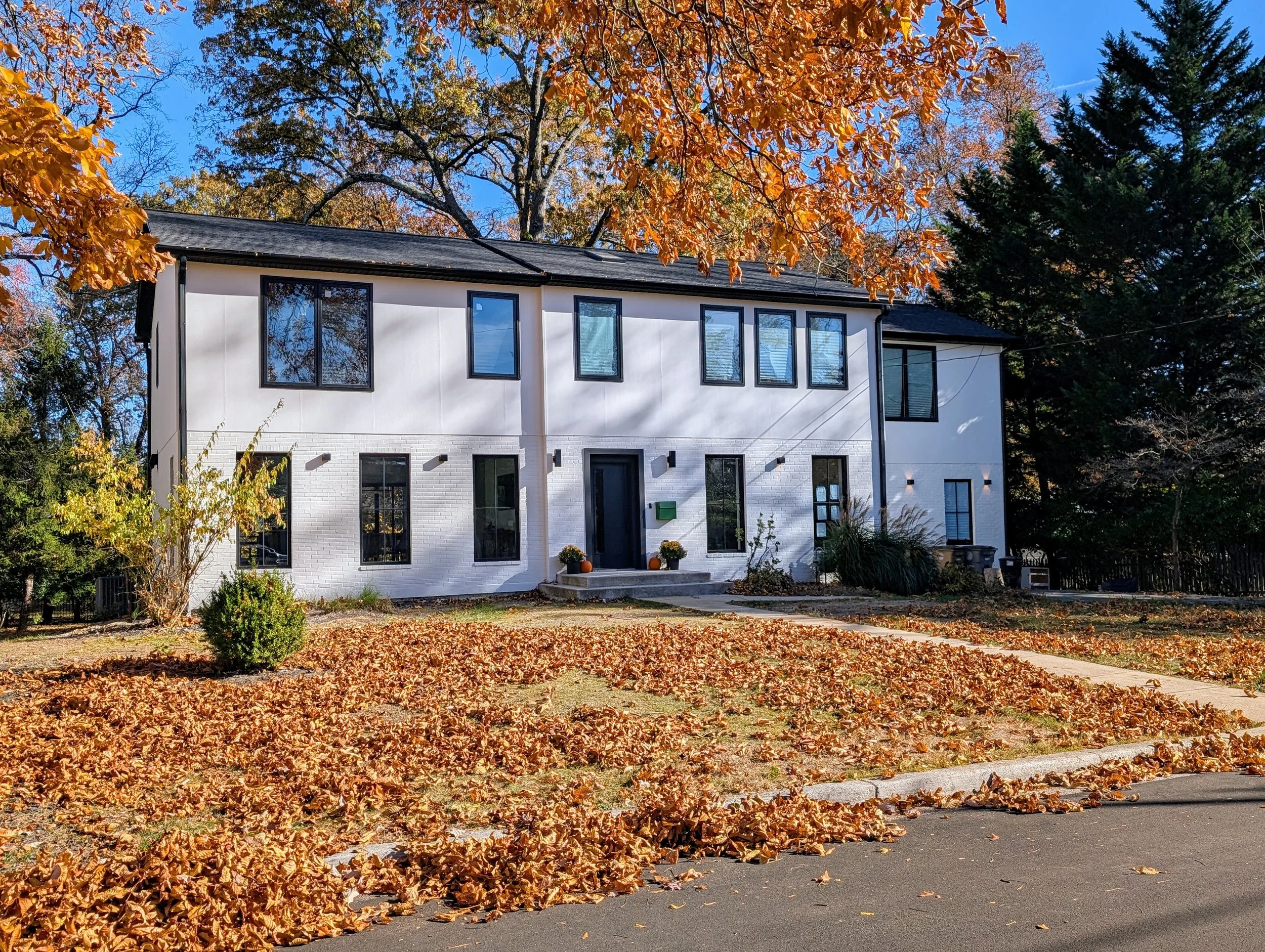
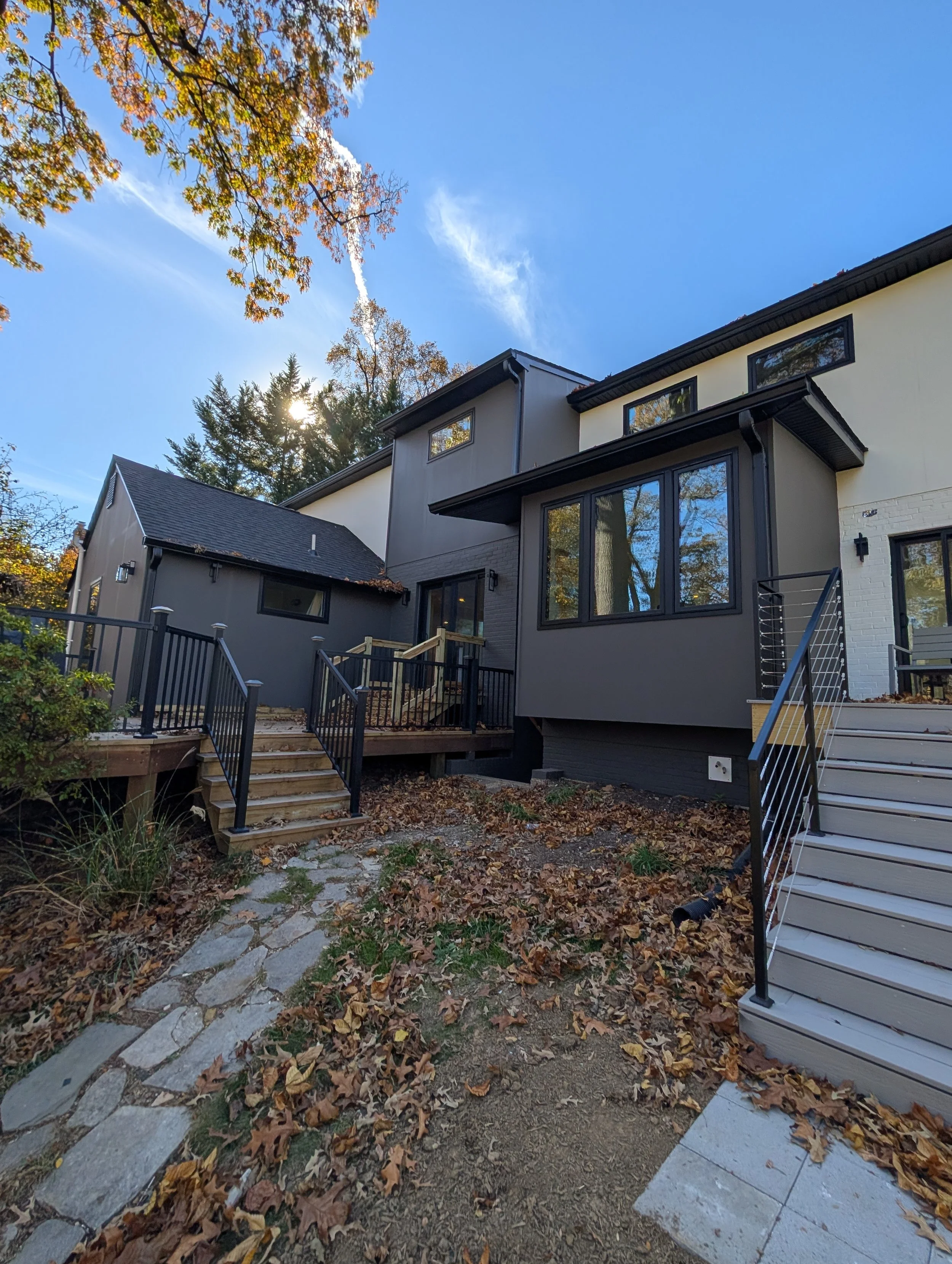
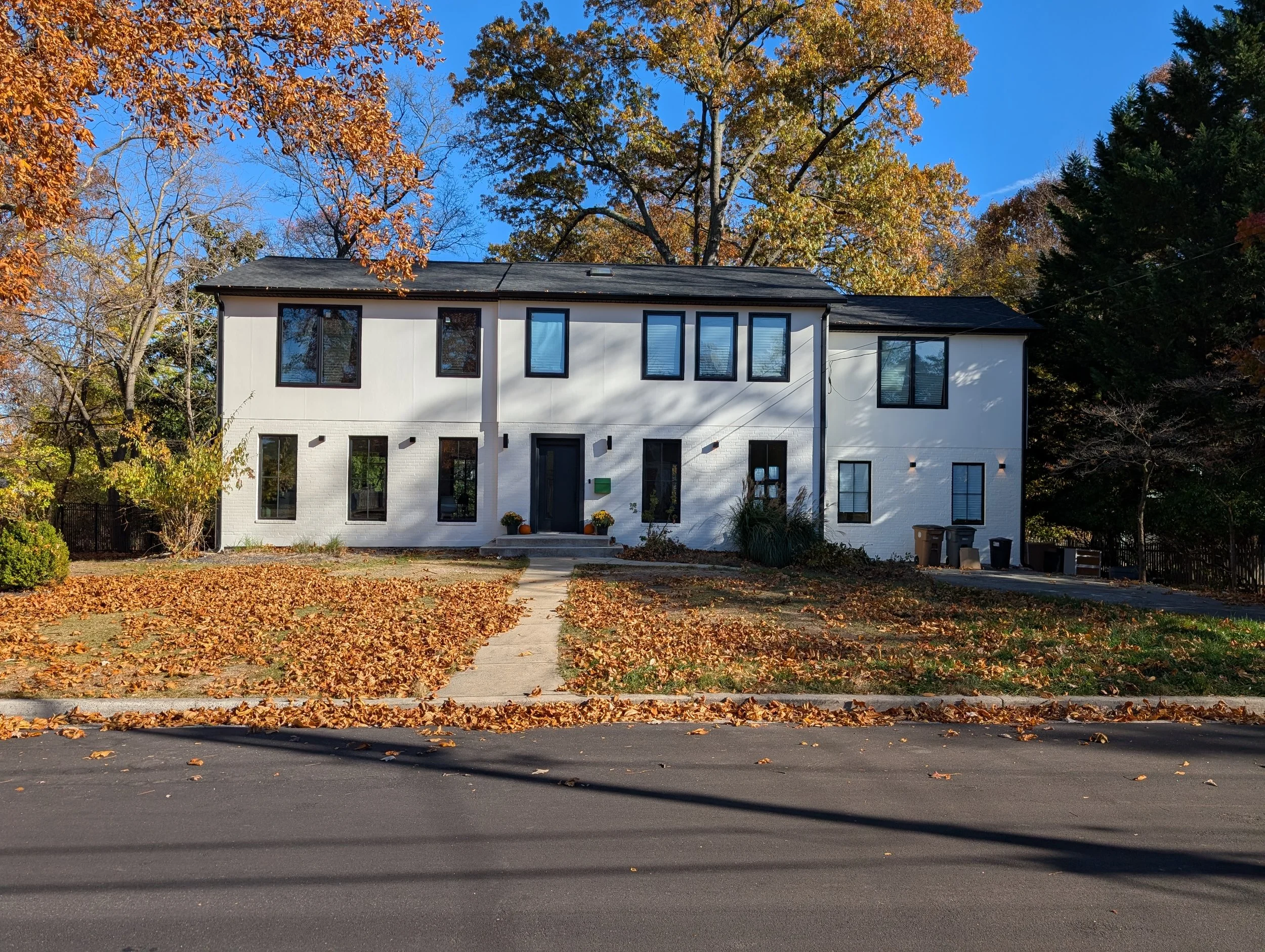
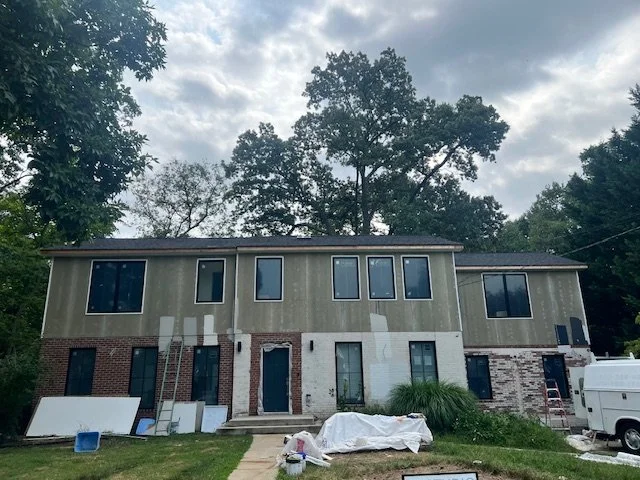
Before: A chaotic mix of roof lines, materials, and styles accumulated from decades of additions. The home had no clear architectural identity.
After: A unified contemporary statement featuring:
Single flat roof plane with hidden parapet and drainage
Smooth stucco cladding in warm gray covering all perimeter walls
Horizontal cedar siding accent panels defining entries
Strategic window placement creating rhythm across facade
Oversized pivot front door with vertical grain walnut
Integrated garage that reads as part of the main volume
Subtle reveals and shadow lines adding depth
Preserved mature trees framing the new composition
The Roof Design: The new flat roof extends beyond the original walls with generous overhangs, creating covered outdoor spaces while protecting walls from weather. Concealed gutters and downspouts maintain clean lines. The unified roof plane transforms what was once a fragmented collection of additions into a single, powerful architectural form.
The Numbers: Investment & Value
Project Stats:
Timeline: 9 months (design + construction)
Original square footage: 1,800 sq ft
New square footage: 3200 sq ft (reconfigured, not expanded)
Perimeter walls retained: 100% in the lower floor
Roof structure: 100% new
Energy efficiency improvement: 60% reduction in heating/cooling costs
Investment range: $420,000 - $500,000 (your costs will vary)
What This Included:
Architectural design, engineering, and permitting
Complete roof demolition and rebuild
Structural reinforcement of existing walls
All new windows and doors throughout
Complete interior reconfiguration
Full kitchen and bathroom renovations
New HVAC, electrical, and plumbing systems
Exterior re-cladding and waterproofing
All fixtures, finishes, and millwork
Why This Approach Saved Money:
By keeping the existing perimeter walls and foundation, we saved an estimated $120,000-150,000 compared to full demolition and rebuild, while still achieving a completely transformed home. We also avoided 6-8 months of additional construction time and significantly reduced waste.
Return on investment: The home is now valued at $450,000-500,000 more than comparable unrenovated 1930s homes in the neighborhood. More importantly, the Morrison family has a home that functions perfectly for modern living while respecting the character of their established neighborhood.
Lessons Learned: What We'd Tell Other Homeowners
1. Consider the "Perimeter + Roof" Strategy for Mismatched Homes
If your home has solid exterior walls but a complicated, fragmented roof from multiple additions, this approach can be transformative. You get the benefits of new construction (unified design, modern systems, optimized layouts) at 60-70% of the cost.
2. Don't Be Afraid of Radical Solutions
Initially, the idea of removing the entire roof seemed extreme. But it was actually more cost-effective and less complicated than trying to work with the existing mismatched structure. Sometimes the bold move is the smart move.
3. Engineering Matters More Than Ever
With this approach, structural engineering is critical. We invested heavily in engineering to ensure the retained walls could support the new roof design and meet current codes. This isn't a place to cut corners.
4. Plan for Temporary Relocation
Unlike many renovations where you can live on-site, a roof removal requires planning for temporary housing during critical phases. Budget for this both financially and logistically.
5. The Payoff is Architectural Cohesion
The single biggest benefit wasn't any individual feature—it was the unified architectural language. The home finally makes sense as a complete composition rather than a collection of additions.
Could Your Mismatched Home Benefit from This Approach?
Not every older home is a good candidate for the roof removal strategy, but many mismatched properties have more potential than their owners realize. Here are signs your home might be perfect for this type of transformation:
Excellent candidates have:
Solid perimeter walls in good structural condition
Multiple additions creating mismatched roof lines
Varying ceiling heights between rooms
Desirable location where you want to stay long-term
Complicated roof geometry that's costly to maintain
Adequate lot size for modern indoor-outdoor living
Foundation and walls that meet (or can meet) current codes
This approach works especially well for:
1920s-1950s homes with multiple additions
Bungalows or cottages expanded over time
Ranch homes with fragmented roof lines
Properties where full demolition seems like the only option
Consider other strategies if:
Perimeter walls have significant structural issues
Foundation problems would require extensive work regardless
Home is severely undersized for your needs
Local regulations make roof height increases difficult
Cost approaches new construction despite savings
The Decision Framework
Ask yourself:
Are the existing walls worth keeping structurally?
Is the current roof creating more problems than solutions?
Do you need unified ceiling heights throughout?
Would you rather renovate than relocate?
Can you handle temporary displacement during construction?
If you answered yes to most of these questions, the perimeter + roof strategy might be perfect for your home.
Ready to Explore Your Home's Modern Potential?
Every home has a unique story, and every transformation project requires a custom approach. Whether you're dreaming of a complete renovation like the Tomchins or considering more targeted updates, we'd love to discuss your vision.
Our process begins with a complimentary consultation where we:
Tour your current home and discuss your goals
Assess structural opportunities and constraints
Provide preliminary concepts and feasibility feedback
Outline next steps and investment ranges
Answer all your questions about the design and construction process
Schedule Your Consultation
Transform your traditional home into the modern space you've always wanted. Contact us today to start the conversation.